
A brain infection is a serious medical condition that requires immediate attention. Infections affecting the brain or its surrounding tissues can lead to severe complications if not diagnosed and treated promptly. Early recognition of symptoms and timely intervention by an experienced neurologist can significantly improve recovery and reduce the risk of long-term neurological damage.
Dr. Sandeep Borse, Consultant Neurologist in Pune, specializes in the diagnosis and management of neurological disorders, including brain infections. With a patient-focused approach and evidence-based treatment, Dr. Borse provides comprehensive neurological care to help patients achieve the best possible outcomes.
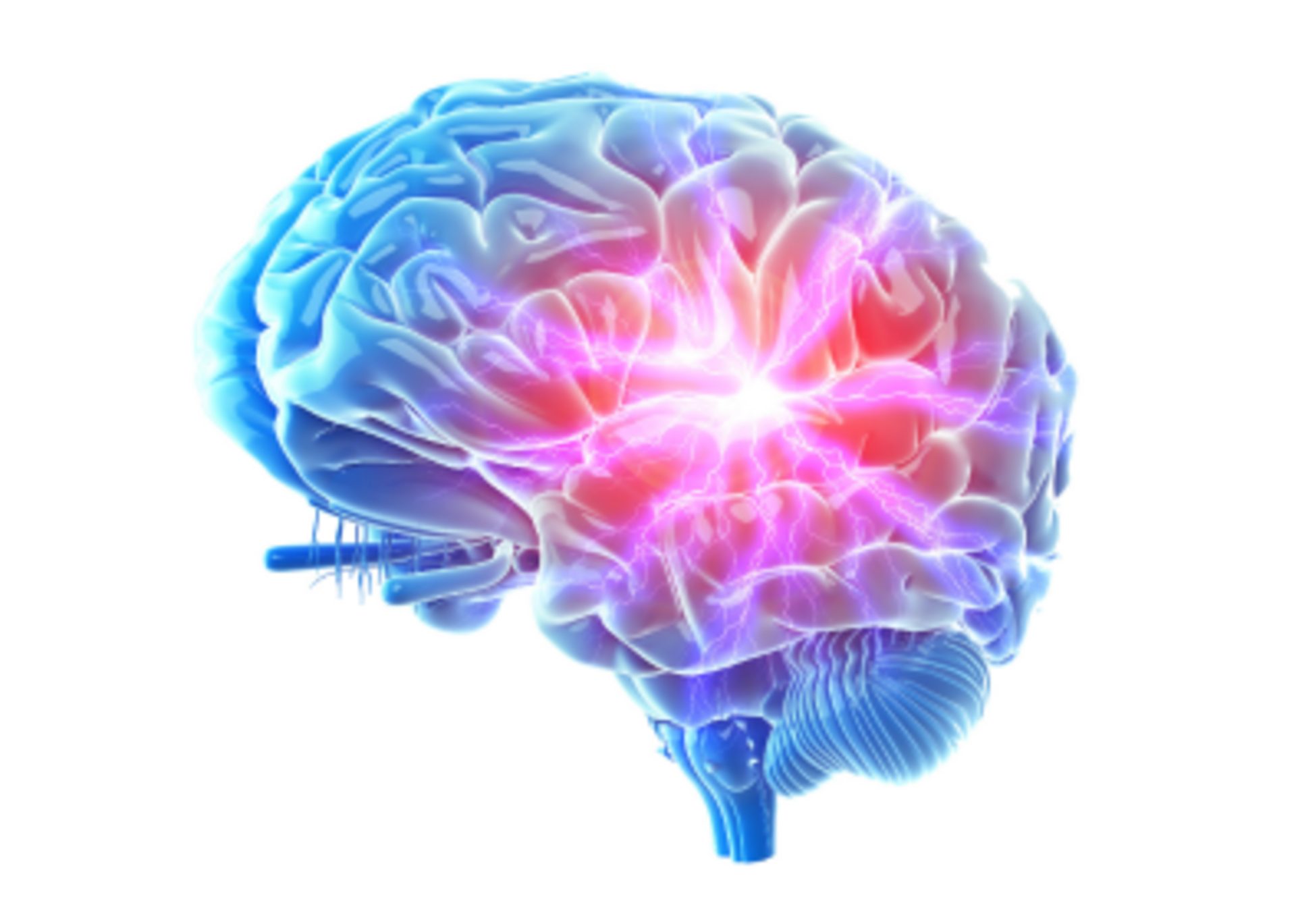
What Is a Brain Infection?
A brain infection occurs when harmful microorganisms such as bacteria, viruses, fungi, or parasites infect the brain tissue or the protective membranes surrounding the brain and spinal cord. These infections can cause inflammation, swelling, and increased pressure inside the skull, making them potentially life-threatening if left untreated.
Brain infections may affect people of all ages but are more common in infants, older adults, individuals with weakened immune systems, and those with certain chronic medical conditions.
Types of Brain Infections
Several types of brain infections can affect the nervous system.
Causes of Brain Infections
Brain infections can develop due to various microorganisms.
Common causes include:
Prompt identification of the underlying cause is essential for appropriate treatment.
Symptoms of a Brain Infection
Symptoms can develop suddenly or gradually depending on the cause and severity of the infection.
Common symptoms include:
In infants, symptoms may include poor feeding, irritability, excessive sleepiness, or a bulging soft spot (fontanelle).
A brain infection is a medical emergency. Anyone experiencing these symptoms should seek immediate medical attention.
When Should You See a Neurologist?
Consult a neurologist immediately if you or a loved one experiences:
Early treatment can significantly reduce the risk of permanent neurological complications.
How Are Brain Infections Diagnosed?
Accurate diagnosis involves a combination of clinical evaluation and advanced investigations.
Early diagnosis helps initiate targeted treatment without delay.
Brain Infection Treatment
Treatment depends on the type of infection, the organism responsible, and the patient's overall condition.
Possible Complications
Without timely treatment, brain infections can lead to:
Prompt diagnosis and treatment significantly improve outcomes.
Recovery After a Brain Infection
Recovery varies depending on:
Some patients recover completely, while others may require neurological rehabilitation, physiotherapy, occupational therapy, or speech therapy to regain lost function.
Regular follow-up with a neurologist is important to monitor recovery and manage any long-term neurological effects.
Can Brain Infections Be Prevented?
Although not all brain infections are preventable, the following measures can reduce risk:
Early medical evaluation for persistent fever, severe headache, or neurological symptoms is essential.
Frequently Asked Questions (FAQs)
What is a brain infection?
A brain infection occurs when bacteria, viruses, fungi, or parasites infect the brain or its protective coverings, causing inflammation and neurological symptoms.
Is a brain infection life-threatening?
Yes. Brain infections can become life-threatening if not treated promptly. Immediate medical attention is essential.
What are the first signs of a brain infection?
Common early symptoms include severe headache, fever, neck stiffness, confusion, vomiting, and sensitivity to light.
Can a brain infection cause seizures?
Yes. Seizures are a common symptom of certain brain infections, particularly encephalitis and brain abscesses.
How is a brain infection diagnosed?
Diagnosis typically involves neurological examination, blood tests, MRI or CT scans, and cerebrospinal fluid (CSF) analysis through a lumbar puncture.
Can brain infections be cured?
Many brain infections can be successfully treated if diagnosed early and managed appropriately. The outcome depends on the cause, severity, and timing of treatment.
How long does recovery take?
Recovery varies widely. Some patients recover within weeks, while others may require several months of rehabilitation.
Are brain infections contagious?
Some infections that cause meningitis or encephalitis can spread between individuals, while others are not contagious. The risk depends on the specific organism.
Can children develop brain infections?
Yes. Infants and young children are at increased risk for certain brain infections and should receive prompt medical care if symptoms develop.
When should I consult a neurologist?
Seek immediate evaluation if you experience severe headache, fever, confusion, seizures, neck stiffness, or any sudden neurological symptoms.
Brain infections are serious neurological conditions that require prompt diagnosis and expert treatment. Early recognition of symptoms and timely medical care can significantly improve recovery and reduce the risk of permanent neurological damage.
If you or a loved one is experiencing symptoms suggestive of a brain infection, consult Dr. Sandeep Borse, Consultant Neurologist in Pune, for expert evaluation, accurate diagnosis, and comprehensive neurological care. Early intervention can make a critical difference in achieving the best possible outcome.
 AboutMyClinic